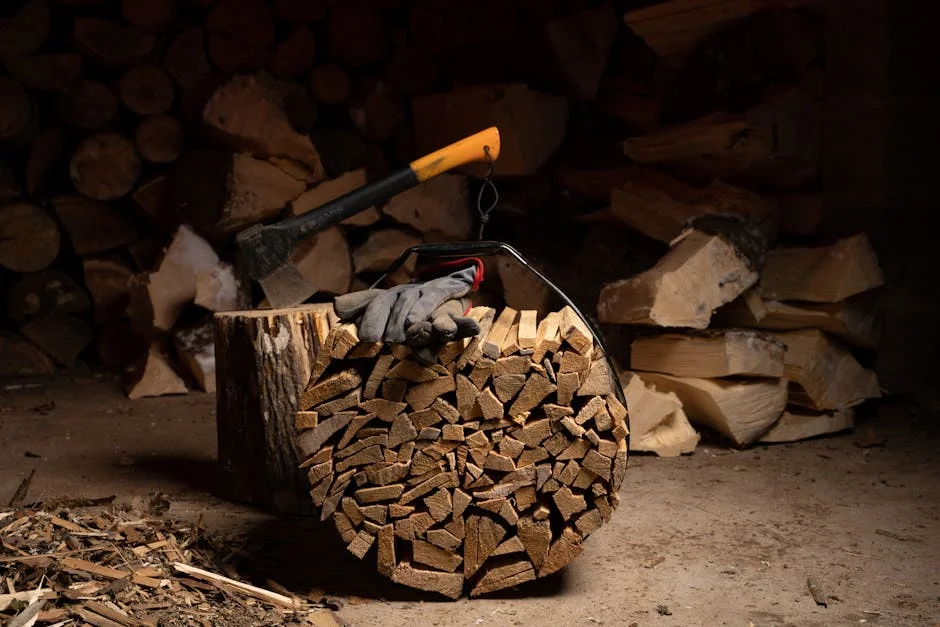
Gransfors Bruks Splitting Axe Review: Three Tools Tested

Affiliate disclosure: Some links on this page are affiliate links. If you buy through them we earn a small commission at no extra cost to you. This never influences which products we recommend — we only suggest things we'd buy ourselves. Product prices and availability are accurate as of the date published and are subject to change. Always check Amazon for current pricing before purchasing. Learn more.
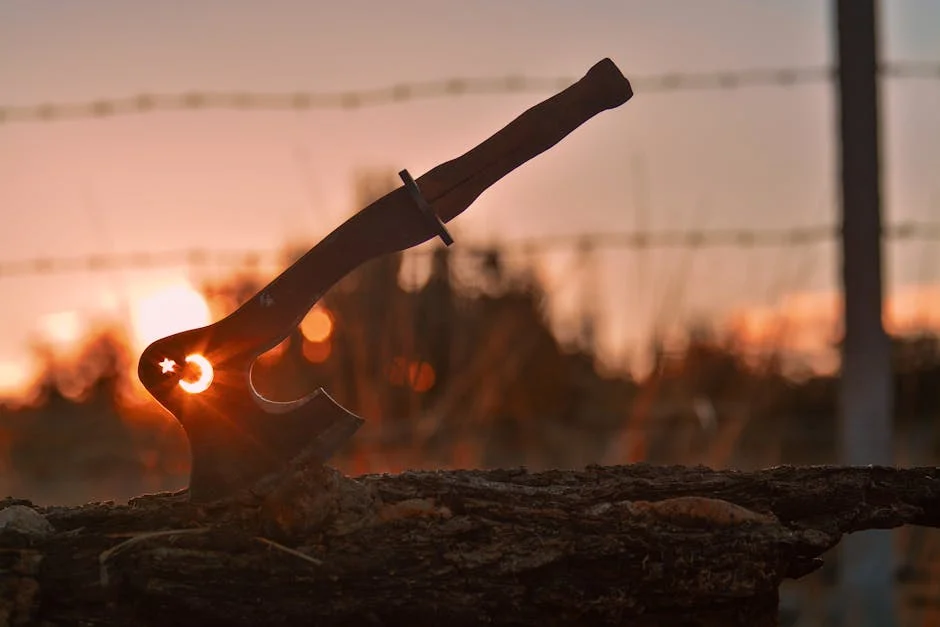
Gransfors Bruk brand reputation for quality axes in splitting category
See Gransfors Bruk Splitting Maul 31.50 I… on AmazonSplitting wood well is a skill, and the axe you carry shapes how that skill develops. Gransfors Bruks has been forging axes in Axe Village, Sweden since 1902, and their splitting tools hold a reputation earned through use — not marketing. If you’re looking at Axes for camp or homestead work, the splitting category deserves serious attention before you buy.
The three tools covered here — a full splitting maul, a compact splitting axe, and a splitting hatchet — represent different solutions to the same problem. Each one suits a different context. Understanding which fits your situation matters more than brand loyalty.
What to Look For in a Splitting Axe
Head Geometry and Splitting Performance
A splitting axe works differently from a felling or carving axe. The geometry is intentionally convex — sometimes called a wedge grind — designed to drive through wood fibers and force the grain apart rather than slice into it. A thinner Scandi grind that works well on a carving knife will bind in a splitting task. You want a head that pushes wood outward as it drops.
Gransfors Bruks grinds their splitting heads with exactly this in mind. The bit is wide and the cheeks flare, so the wood has somewhere to go when the edge lands. Understanding this distinction helps you evaluate any splitting tool — not just Swedish ones.
Handle Length and the Work You’re Doing
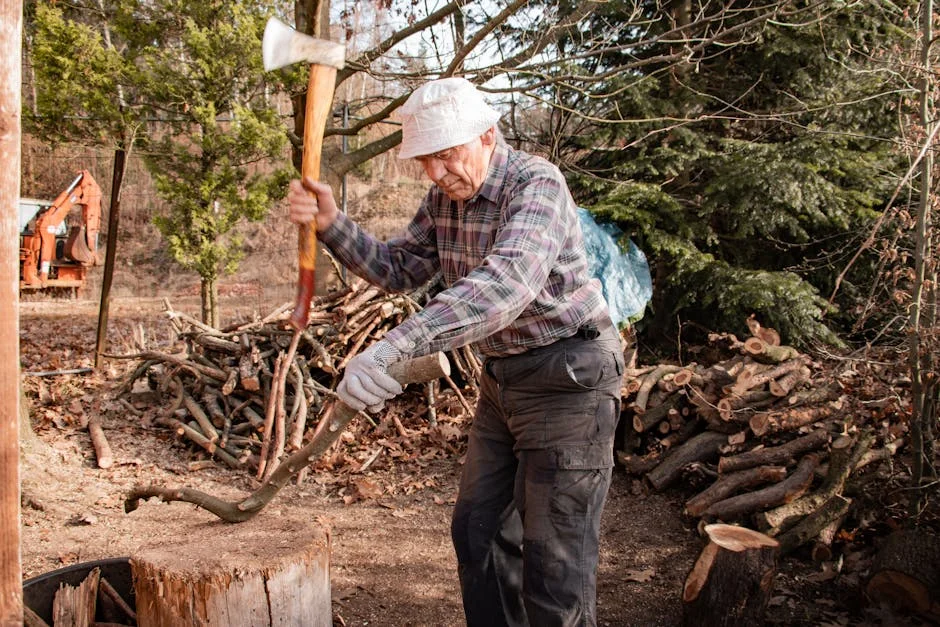
A longer handle delivers more swing velocity, which means more force at impact. That’s the physics. But longer handles also demand more technique and more space. Splitting rounds at a campfire ring with a 31-inch maul is overkill — you’ll clock your knuckles on the picnic table. Splitting knee-high rounds on a homestead block is exactly where that length earns its keep.
The right handle length matches the scale of the work. Campfire-sized splits from small-diameter rounds suit a hatchet-length handle. Larger rounds and sustained splitting sessions reward a longer swing. Most buyers get this wrong by defaulting to the biggest tool they can afford.
Weight and Fatigue Over Time
Weight is the most misunderstood variable in axe buying. Heavier heads produce more force per swing — up to a point. Past that point, you’re fighting the tool for control and burning out your shoulders before the woodpile is half done. A lighter hatchet requires more swings on larger rounds but stays accurate and manageable through a full afternoon of camp chores.
Consider the total duration of your splitting sessions, not just the diameter of the wood. For a weekend backpacker splitting kindling for two nights, a 3.3-pound hatchet is likely sufficient. For someone putting up a cord of firewood every fall, the additional mass of a full maul pays off.
Swedish Steel and Why Forge Quality Matters
Gransfors Bruks uses hand-forged Swedish steel on every head they ship. Hand forging compresses and aligns the grain structure of the steel in ways that casting and drop-forging cannot replicate. The result holds an edge longer, resists chipping under hard use, and re-sharpens predictably with a file or whetstone.
This matters in practice. A tool that dulls quickly or chips at the bit forces you to stop and re-work the edge mid-session. A tool that holds up session after session stays sharp and stays safe. Exploring the broader range of hand-forged splitting and felling axes is worth the time before settling on a single purchase — the quality differential between manufacturers is significant.
Top Picks
Gransfors Bruk Splitting Maul 31.50 Inch
The Gransfors Bruk Splitting Maul 31.50 Inch is the tool you reach for when the rounds are large and the session is long. The 31.5-inch hickory handle puts serious arc behind each swing, and the heavy head drives through knotted or dense wood that would stop a lighter tool cold. This is a homestead tool, not a camping tool — the distinction matters.
Technique counts with a maul this size. If you’re new to splitting axes, there’s a learning curve in controlling the swing plane consistently, especially as fatigue sets in. But once the motion is grooved, this tool rewards you with splits that a hatchet would struggle to produce. On rounds that are 10 inches or wider, the weight advantage is clear from the first dozen swings.
The handle on the Gransfors Bruk line is fitted, not glued and pinned as an afterthought. The head is hand-polished and the edge arrives ready to work. I haven’t used this one personally — it’s outside the pack-in contexts I write from — but it reads as the tool for anyone who splits in volume at a fixed location.
Check current price on Amazon.
Gransfors Bruks Small Splitting Axe #441
Compact is the operative word with the Gransfors Bruks Small Splitting Axe #441. This tool is designed for campsite use — splitting kindling and smaller-diameter rounds that you’d carry or find on a trip. It fits in a pack without the handle becoming a structural problem, and it has enough weight to split rather than just chop.
The splitting geometry on the #441 is purpose-built, not just a regular axe head on a short handle. The convex grind opens wood rather than biting into it, which is what you need for producing splits efficiently. On small-to-medium diameter rounds, it performs cleanly. On larger diameter rounds, you’ll work harder and need more swings — that’s not a flaw, it’s a size constraint that comes with any compact tool.
Where this axe earns its place is in a kit where weight and packability are real constraints. If you’re foot-packing into the backcountry and want a dedicated splitting tool that won’t require a dedicated luggage carrier, this is a serious option. I’ve seen the #441 recommended consistently in the bushcraft literature, and the reputation is not manufactured.
Check current price on Amazon.
Gransfors Bruks 439 Splitting Hatchet
The Gransfors Bruks 439 Splitting Hatchet sits at 19 inches and 3.3 pounds — a middle point between a camp hatchet and a full splitting axe. That positioning is genuinely useful. It’s long enough to generate real swing velocity on kindling and smaller rounds, light enough to carry in without cursing the decision at mile five.
Tools in this size class on trips in the GW make one thing clear: handle length matters more than most buyers expect. A few extra inches of handle translates directly to easier splitting because the arc is longer — you don’t have to work as hard. At 19 inches, the 439 is long enough to be efficient without being awkward to move with in camp.
The 3.3-pound head is honest weight for what this tool does. It won’t drop a 14-inch white oak round in one swing, but that’s not the job. For producing a pile of kindling and splitting campfire-ready pieces from 6-to-8-inch diameter rounds, it handles the work without making you regret your choices. Proper technique — letting the weight do the work rather than muscling each swing — keeps this tool efficient through a full session.
Check current price on Amazon.
Buying Guide
Match the Tool to the Scale of the Work
The most common mistake buyers make with splitting axes is sizing for aspiration rather than actual use. A full 31-inch maul is the right tool for splitting large rounds at a fixed location. If you’re splitting at camp after a foot-pack approach, that maul is a liability. Think concretely about the diameter of wood you’ll split most often and where you’ll be when you split it. Then choose the handle length that fits that context.
Understand What “Splitting” Geometry Actually Does
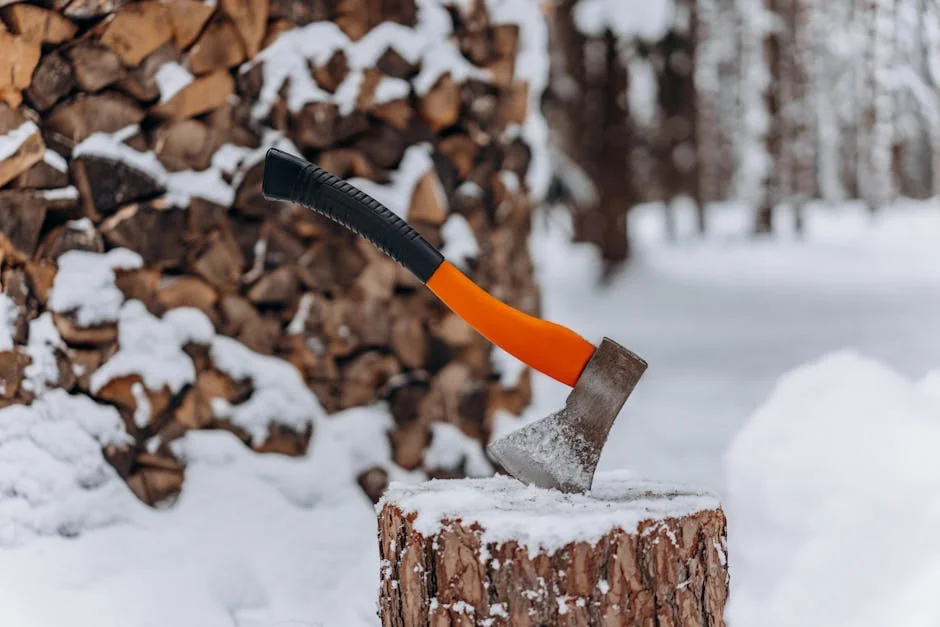
A splitting axe is not a general-purpose axe with a different name. The convex geometry drives wood fibers apart rather than cutting through them — this is why splitting tools bind less and require less edge maintenance than carving or felling axes. Don’t buy a splitting axe expecting it to limb or carve; don’t buy a felling axe and wonder why it wedges in the round. Matching tool geometry to task protects your tools and your technique. The difference between a splitting geometry and a felling geometry is visible at a glance once you know to look for it.
Handle Material and Fit
Gransfors Bruks uses American hickory on their handles, fitted by hand at the factory. Hickory absorbs shock well and holds up to sustained use in cold and damp conditions — both common in the Blue Ridge and Allegheny ranges where I spend most weekends. A loose head is a safety issue, and a well-fitted handle resists loosening better than one that’s been forced and pinned. Check the fit before each session and re-hang when the handle shows any movement in the eye.
Maintenance Is Simple If You Stay Ahead of It
Gransfors Bruks axes arrive sharp and maintain their edge well. A leather strop and a fine file are sufficient for regular maintenance. The hand-forged Swedish steel re-sharpens predictably — it doesn’t require power tools or a specialist. If you let the edge go dull over multiple sessions, re-profiling takes more work. Staying ahead of maintenance with a few passes on the file after each use keeps the edge where it should be and extends the tool’s service life considerably.
Consider the Full Range Before Committing
These three tools cover the Gransfors Bruks splitting lineup well, but they don’t cover every splitting context. Reviewing the full selection of axes available — including felling and carving options — is worth doing before you finalize a purchase. Some buyers find that a mid-length axe serves both general camp tasks and splitting without requiring two tools. Others find that the specialized splitting geometry is worth carrying as a dedicated second tool. That’s a judgment call that depends on how you work and how much weight you’re willing to move.
Frequently Asked Questions
What is the difference between a splitting axe and a splitting maul?
A splitting maul is heavier and longer, designed for high-volume splitting of large-diameter rounds at a fixed station. A splitting axe or hatchet is lighter and shorter, optimized for portability and smaller-scale splitting tasks like campfire kindling. The Gransfors Bruk Splitting Maul 31.50 Inch is a true maul; the Gransfors Bruks 439 Splitting Hatchet is a compact splitting tool for field use. Choose based on scale and portability requirements.
Is the Gransfors Bruks Small Splitting Axe #441 worth carrying on a backpacking trip?
For foot-pack trips where you’ll be splitting campfire wood regularly, the #441 is a reasonable choice. The compact size and splitting-specific geometry make it more efficient per swing than a general-purpose hatchet on small-to-medium rounds. Weight is always a tradeoff on a foot-pack approach, so the answer depends on how central fire-making is to your trip. For trips where fire is functional rather than occasional, the dedicated splitting geometry pays off.
Can I use a Gransfors Bruks splitting axe for general camp tasks like limbing or wood carving?
Not well. The convex wedge geometry that makes these tools effective at splitting makes them poor at limbing and genuinely bad at carving. A splitting axe will bind in limbing cuts and won’t produce the controlled slices carving requires. If you need one tool that does both, look at the Gransfors Bruks Forest Axe or similar general-purpose camp axes — splitting-specific tools are single-purpose by design.
How do I maintain the edge on a Gransfors Bruks splitting axe?
The hand-forged Swedish steel on Gransfors Bruks axes responds well to a mill bastard file and a leather strop. After each session, a few passes on the file to remove any small nicks and a strop to realign the edge is sufficient maintenance. The steel holds an edge longer than most production-grade axes, but consistency matters more than frequency — brief maintenance after every use beats a full re-profile once a year.
Which Gransfors Bruks splitting tool is best for someone just starting out with axe work?
The Gransfors Bruks 439 Splitting Hatchet is the most forgiving entry point in this lineup. At 19 inches and 3.3 pounds, it generates enough force to split kindling and modest rounds without requiring the technique and physical conditioning that a full maul demands. The shorter handle is easier to control while you develop a consistent swing plane. Starting with a tool you can use safely and accurately builds the fundamentals faster than starting with a tool that’s too heavy to control.
Gransfors Bruk Splitting Maul 31.50 Inch Wood Splitting Axe, 450: Pros & Cons
- Gransfors Bruk brand reputation for quality axes in splitting category
- 31.50 inch length provides extended reach for splitting wood
- Longer 31.50 inch handle requires more space and technique to control
Where to Buy
Gransfors Bruk Splitting Maul 31.50 Inch Wood Splitting Axe, 450See Gransfors Bruk Splitting Maul 31.50 I… on Amazon