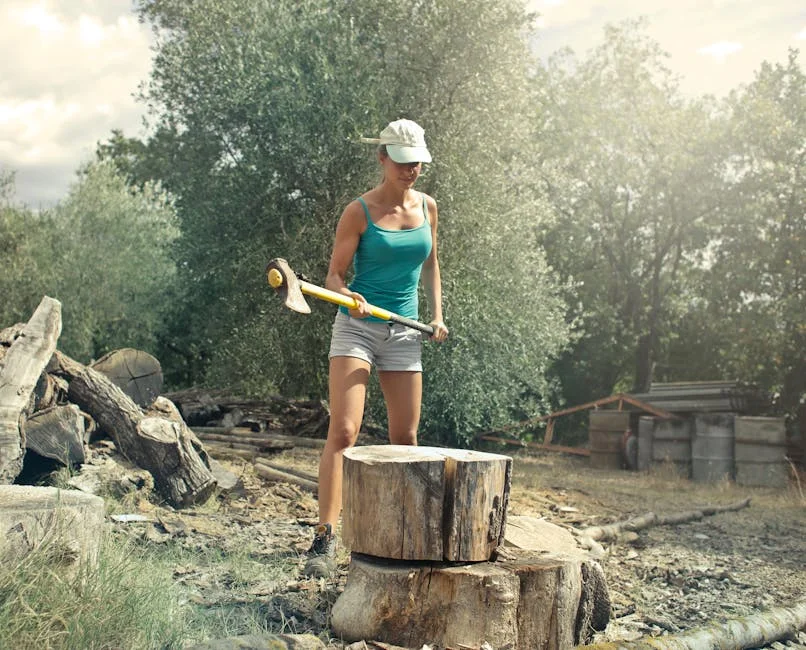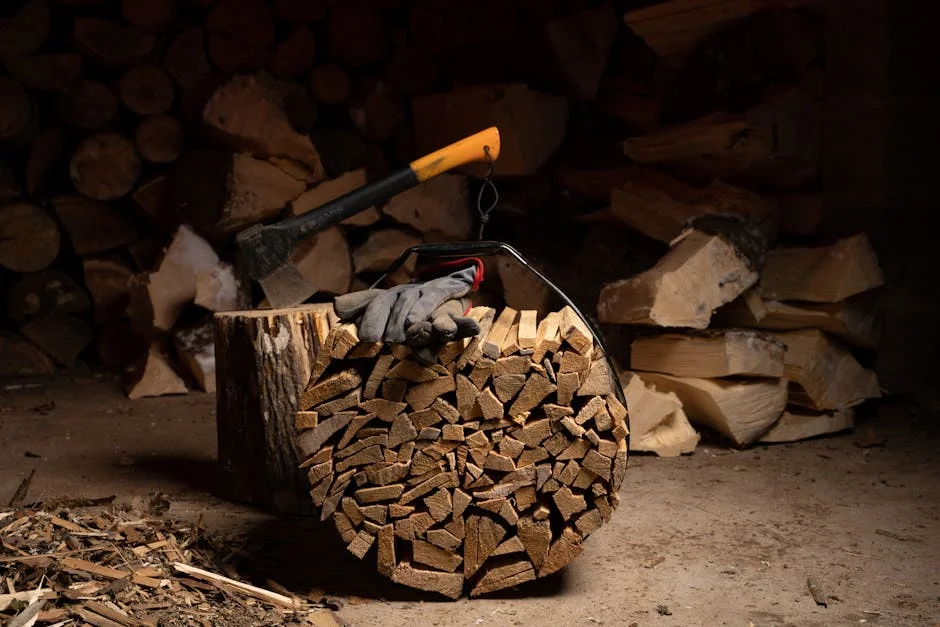
Gransfors Bruks Small Forest Axe Review: Swedish Quality Tested

Affiliate disclosure: Some links on this page are affiliate links. If you buy through them we earn a small commission at no extra cost to you. This never influences which products we recommend — we only suggest things we'd buy ourselves. Product prices and availability are accurate as of the date published and are subject to change. Always check Amazon for current pricing before purchasing. Learn more.

Gransfors Bruks renowned for high-quality Swedish axe craftsmanship
See Gransfors Bruks Small Forest Axe 19 I… on AmazonGood axes don’t need much introduction, but the Gransfors Bruks Small Forest Axe has been in enough packs across enough years that it’s earned a look on its own terms. If you’re sorting through axes for woodland work — trail clearing, limbing, campsite processing — this is one of the few production axes where the head geometry and handle length actually match the task.
Swedish axe making has a specific tradition behind it, and Gransfors Bruks sits near the top of that lineage. What separates a good small forest axe from a mediocre one isn’t just steel quality — it’s the grind, the hang angle, and whether the thing actually balances where your hand expects it to.
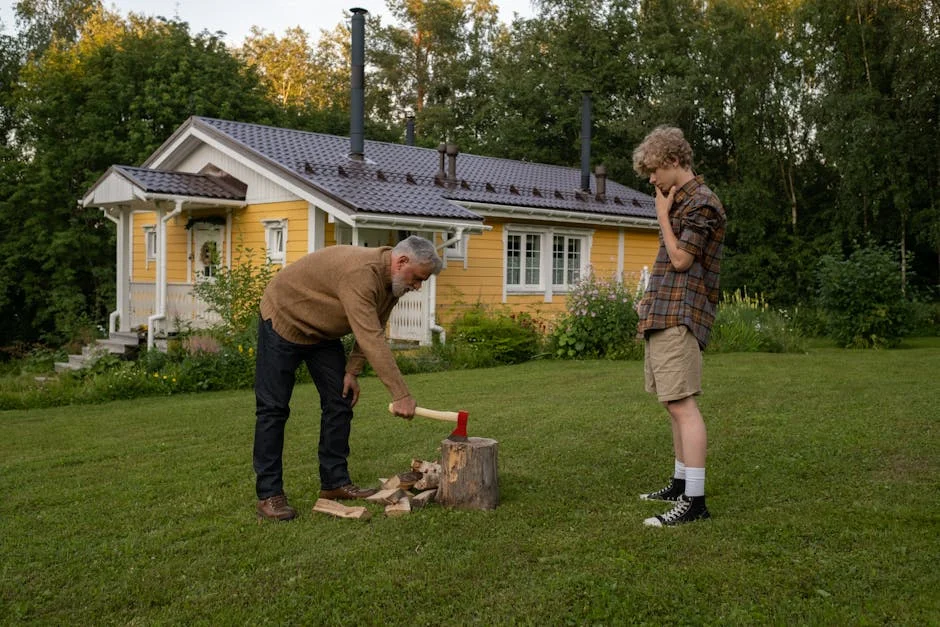
What to Look For in a Small Forest Axe
Head Weight and Geometry
A small forest axe is a specific tool for a specific job. It’s not a hatchet, and it’s not a felling axe. The head weight typically runs between 1.5 and 2 pounds — light enough to swing repeatedly without fatiguing the shoulder, heavy enough to bite through 4, 6 inch green wood in a reasonable number of strokes. Head geometry matters as much as weight. A convex grind sheds wood better and resists binding in green timber. A thin, hollow grind bites deeper but can wedge.
Gransfors Bruks grinds their axe heads by hand. Each head is stamped with the smith’s initials — that’s not marketing, it’s quality accountability built into the production process. The Small Forest Axe runs a convex grind with a moderately thin bit, which is well-suited for limbing and general camp processing.
Handle Length and Material
Nineteen inches is the standard length for a small forest axe, and there’s a reason it’s become conventional. At that length, you can choke up for close work or extend to the handle end for a bit more swing velocity on larger stock. Shorter than 16 inches and you’re using a hatchet — useful, but a different tool. Longer than 22 inches and you’re working with a boys’ axe, which wants a two-hand swing and more carry weight.
Hickory is the traditional handle wood for good reason. It’s hard, resilient under shock loading, and transmits vibration in a way that lets you feel the bite. Ash runs a close second. Synthetic handles — fiberglass, composite — are more durable in wet conditions but don’t give the same feedback. For bushcraft work where you’re reading the wood, that feedback matters.
Edge Retention and Steel Quality
Not all axe steel is equal. Gransfors Bruks uses Swedish steel with a hardness in the mid-57 to 59 HRC range — hard enough to hold an edge through a solid day’s work, soft enough to sharpen with a whetstone without special equipment. Axes ground too hard chip on knots and frozen wood. Axes ground too soft roll and need constant touching up.
Edge retention is also a function of grind geometry. A thick convex edge behind the bit will hold up longer than a thin Scandinavian grind under hard use, but it requires more effort to start a cut. There’s a trade-off, and where you land depends on what you’re cutting.
Fit and Finish
A production axe that leaves the factory with a loose head is a liability. Check the handle-to-eye fit before any use — it should be tight, with the wedge fully seated and no play when you grip the handle and torque the head. Gransfors Bruks ships their axes with a leather edge guard and a light coat of linseed oil on the handle. That’s not decoration; linseed oil protects the hickory grain and should be reapplied a few times before the first season.
The handle should be straight-grained, with the grain running parallel to the axe bit, not perpendicular to it. Cross-grain handles fail under impact. If the grain runs diagonal across the handle, that’s a warranty call or a return — don’t use it.
Top Picks
Gransfors Bruks Small Forest Axe 19 Inch, 420
The Gransfors Bruks Small Forest Axe 19 Inch, 420 is the base model and the one most people are actually asking about. I haven’t personally owned the Small Forest Axe, but three seasons in the GW — limbing blowdowns on trail, splitting campfire-sized dry oak and poplar — is the expected use pattern. It handles both well.
The 19-inch handle puts the head exactly where you want it for one-hand limbing work — close enough to control, long enough to generate useful swing velocity. The head sits at roughly 1 pound 12 ounces, which is comfortable through a full afternoon of trail work without the shoulder fatigue you’d get from a heavier boys’ axe. The hand-forged head bites cleanly into green wood and doesn’t wedge the way a thinner grind sometimes does.
Where it runs into limits is honest: logs above 6 inches in diameter ask more of this axe than it wants to give. You can do it, but you’re working against the tool rather than with it. For that work, a larger axe — or a saw — is the right answer. The Small Forest Axe is best understood as a precision tool for lighter forestry work, not a general-purpose splitting maul.
Check current price on Amazon.
Gransfors Bruk Small Forest Axe (420) with Ceramic Grinding Sharpening Stone (4034) - Bundle (2 Items)
The Gransfors Bruk Small Forest Axe (420) with Ceramic Grinding Sharpening Stone (4034) Bundle is the same axe paired with Gransfors Bruks’ own ceramic sharpening stone. That detail matters more than it sounds.
An axe sharpened with the wrong stone geometry is an axe with an inconsistent edge. The ceramic stone Gransfors Bruks includes is matched to their convex grind — it’s shaped to follow the curve of the bit without flattening it. Using a flat bench stone on a convex edge introduces a secondary bevel that changes how the axe enters the wood. I haven’t used this particular bundle, but the stone Gransfors Bruks packages here is the same one I’ve seen recommended consistently by people who know their steel — Mears covers proper axe maintenance at some length in his writing, and the principle of using matched sharpening geometry is exactly what he describes.
The practical case for the bundle is straightforward. If you’re buying the axe new and don’t already have a stone suited to convex grinds, buying them together makes sense. The sharpening skill itself requires practice — a ceramic stone doesn’t sharpen on its own — but it’s learnable, and starting with the right stone removes one variable from the process.
Check current price on Amazon.
Gransfors Bruks Outdoor Axe
The Gransfors Bruks Outdoor Axe is a different animal. Where the Small Forest Axe is purpose-built for lighter forestry tasks, the Outdoor Axe is designed as a general camp axe — shorter handle, slightly different head profile, intended to cover a broader range of tasks in a camp setting rather than sustained trail or forestry work.
I haven’t carried this one personally, so I’ll keep to what the design differences actually mean. The shorter overall length makes it easier to pack and more useful for in-camp tasks: splitting smaller pieces for fire, roughing out tent stakes, processing kindling. It trades the reach and swing efficiency of the Small Forest Axe for compactness. If your primary use is campsite work rather than trail clearing or extended limbing, that trade makes sense.
What holds across both axes is the Gransfors Bruks manufacturing standard — hand-forged heads, Swedish steel, hand-ground edges, individual smith accountability. You’re not choosing between quality levels here; you’re choosing between two tools built to the same standard for different use patterns.
Check current price on Amazon.
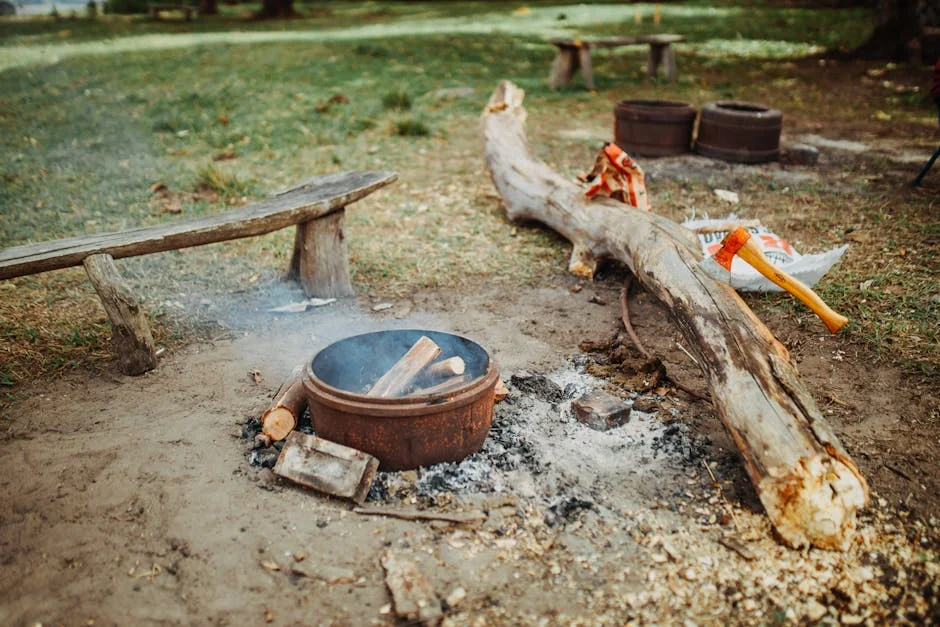
Buying Guide
Matching Axe Size to Your Actual Work
The most common mistake with small forest axes is buying the wrong size for the intended use. A 19-inch handle with a sub-2-pound head is the right tool for limbing, light chopping, and campsite wood processing up to about 5 or 6 inches in diameter. It is not a substitute for a full-size felling axe or a splitting maul. If most of your cutting involves larger stock, look at a longer handle and heavier head before you commit. The Small Forest Axe category — including all three Gransfors Bruks options covered here — is optimized for sustained use on smaller wood.
Single Axe vs. Bundle
If you already own a sharpening setup suited to convex grinds — a leather strop, a good whetstone with the right profile — the standalone axe makes sense. If you’re starting from scratch, the bundle removes a sourcing problem and ensures you have matched sharpening geometry from the first use. There’s no performance difference between the axes; the difference is entirely in what you already own.
The full range of axes available in this category includes both standalone and bundled options across several price bands. For a first purchase in the small forest axe category, the bundle is often the more practical starting point.
Camp Axe vs. Forestry Axe
The Outdoor Axe and the Small Forest Axe serve overlapping but distinct purposes. The Small Forest Axe is optimized for light forestry work — moving along a trail, limbing blowdowns, occasional felling of small-diameter trees. The Outdoor Axe is optimized for sustained campsite use — processing firewood, kindling, in-camp tasks. Both are one-hand tools at 19 inches or shorter.
If you’re packing into the backcountry and expect to spend time clearing trail or working in timber, the Small Forest Axe is the better fit. If you’re making and breaking camp and need a compact general-purpose tool, the Outdoor Axe earns its weight.
Steel, Hardness, and Maintenance
Swedish steel at Gransfors Bruks’ hardness spec sharpens well on a ceramic or fine whetstone without requiring diamond plates or special equipment. A light touch on a sharp axe accomplishes more than a hard swing on a dull one — Kochanski makes this point plainly in Bushcraft, and it’s worth taking seriously. Maintain the edge in the field with a ceramic pocket stone and a leather strop. Resharpen at home with the correct stone profile for the convex grind.
Handle maintenance is simple: linseed oil, applied before storage and at the start of each season. It keeps the hickory from drying and checking. A cracked handle is a safety problem, not just an aesthetic one.
Leather Edge Guard and Safe Carrying
Every Gransfors Bruks axe ships with a leather edge guard. Use it. An unguarded axe edge in a pack will cut pack fabric, cut cordage, and eventually cut you. The guard should stay on the axe whenever it’s not in active use. Gransfors Bruks’ leather guards are well-fitted and durable — replace the guard before you replace the axe.
Carrying an axe on trail means knowing where the head is at all times. In my pack, the axe rides head-down in an external side pocket with the guard on, lashed to keep it from shifting. That’s the safest carry position for a packable small forest axe.
Frequently Asked Questions
Is the Gransfors Bruks Small Forest Axe worth the premium over budget alternatives?
The premium reflects hand-forging, hand-grinding, and individually accountable quality control — each head is stamped with the smith’s initials. Budget axes are typically drop-forged with machine-ground edges that require profiling before they’re ready for use. If you’re committed to a small forest axe as a primary tool rather than an occasional experiment, the Gransfors Bruks quality is worth the cost. If you’re uncertain whether you’ll use it regularly, a cheaper axe is a lower-risk starting point.
What’s the difference between the Small Forest Axe and the Outdoor Axe?
The Gransfors Bruks Small Forest Axe 19 Inch, 420 is optimized for light forestry work — limbing, trail clearing, and chopping smaller-diameter timber. The Gransfors Bruks Outdoor Axe is built more for campsite use — processing firewood, splitting kindling, general in-camp tasks. Both share the same Swedish steel and hand-forging standard, so the choice is about use pattern, not quality level.
Should I buy the bundle with the sharpening stone or just the axe?
If you already have a whetstone suited to convex grinds, the standalone axe is sufficient. If you’re starting without sharpening equipment, the Gransfors Bruk Small Forest Axe Bundle ensures you have matched geometry from the start — the ceramic stone is shaped for the convex bit profile, which matters for maintaining the edge correctly. A flat bench stone used on a convex grind will eventually create an inconsistent bevel.
Can the Gransfors Bruks Small Forest Axe handle large-diameter logs?
Practically, no — not efficiently. The sub-2-pound head and 19-inch handle are built for wood up to about 5 or 6 inches in diameter. On larger stock, you’re working against the tool’s design, and you’ll fatigue faster without making proportionally faster progress. A saw or a larger axe is the correct tool for that work.
How do I maintain the hickory handle on a Gransfors Bruks axe?
Linseed oil is the standard treatment — apply it before storage and at the start of each season, letting it soak in fully before wiping the excess. Keep the handle away from prolonged moisture and direct heat sources like campfire proximity, both of which dry and check the wood. Inspect the handle-to-eye fit before each use; a loose head is a safety hazard. Gransfors Bruks sells replacement handles if the original is ever damaged beyond maintenance.
Gransfors Bruks Small Forest Axe 19 Inch, 420: Pros & Cons
- Gransfors Bruks renowned for high-quality Swedish axe craftsmanship
- 19 inch length provides balanced control for general forestry work
- Small forest axe limits effectiveness on larger diameter logs
Where to Buy
Gransfors Bruks Small Forest Axe 19 Inch, 420See Gransfors Bruks Small Forest Axe 19 I… on Amazon