Survival Knife Fade: How to Choose a Blade That Lasts
Affiliate disclosure: Some links on this page are affiliate links. If you buy through them we earn a small commission at no extra cost to you. This never influences which products we recommend — we only suggest things we'd buy ourselves. Product prices and availability are accurate as of the date published and are subject to change. Always check Amazon for current pricing before purchasing. Learn more.
Quick Picks
Mossy Oak Survival Knife, 15-inch Fixed Blade Hunting Bowie Knife with Sharpener and Fire Starter, for Camping,
15-inch fixed blade provides substantial cutting surface for camping tasks
Buy on AmazonGOOD WORKER Legal Pocket Knife with 2.95” Serrated Blade, Glass Breaker, Seat Belt Cutter - EDC Sharp Folding Knives
Includes glass breaker and seat belt cutter for emergency utility
Buy on AmazonGerber Gear Ultimate Survival Knife, Fixed Blade Knife with Combo Edge, includes Fire Starter Edge and Ferro Rod,
Fixed blade design provides durability and reliability in survival situations
Buy on Amazon| Product | Price Range | Top Strength | Key Weakness | Buy |
|---|---|---|---|---|
| Mossy Oak Survival Knife, 15-inch Fixed Blade Hunting Bowie Knife with Sharpener and Fire Starter, for Camping, best overall | $$ | 15-inch fixed blade provides substantial cutting surface for camping tasks | Fixed blade design less versatile than folding knife options | Buy on Amazon |
| GOOD WORKER Legal Pocket Knife with 2.95” Serrated Blade, Glass Breaker, Seat Belt Cutter - EDC Sharp Folding Knives also consider | $$ | Includes glass breaker and seat belt cutter for emergency utility | Budget brand positioning may indicate lower material quality expectations | Buy on Amazon |
| Gerber Gear Ultimate Survival Knife, Fixed Blade Knife with Combo Edge, includes Fire Starter Edge and Ferro Rod, also consider | $$ | Fixed blade design provides durability and reliability in survival situations | Fixed blade less portable than folding knife alternatives | Buy on Amazon |
| FLISSA Survival Hunting Knife with Sheath, 15-inch Full Tang Fixed Blade Tactical Bowie Knife with Sharpener & Fire also consider | $$ | Full tang fixed blade design provides durability and strength | Larger blade length reduces portability and everyday carry practicality | Buy on Amazon |
| Smith & Wesson Accessories Extreme Ops SWA24S 7.1in S.S. Folding Knife with 3.1in Serrated Clip Point Blade and also consider | $$ | Serrated blade design excels at cutting fibrous or tough materials | Serrated blade more difficult to sharpen than plain edge | Buy on Amazon |
Survival knives hold up — or they don’t. The phrase “survival knife fade” describes exactly what happens when a blade that looked solid at the trailhead starts failing under real use: edge retention drops, handle scales loosen, the finish corrodes faster than it should. If you’re packing into the Knives category for the first time or replacing something that let you down, knowing which knives hold their character across repeated use separates a reliable tool from an expensive disappointment.
The field exposes every weakness a knife carries. Material quality, handle construction, blade geometry, and the durability of any bundled tools all determine whether a knife is still doing its job at the end of a hard trip.
What to Look For in a Survival Knife
Blade Steel and Edge Retention
The steel tells you most of what you need to know. High-carbon steels take a finer edge and are easier to resharpen in the field, but they require more attention to prevent rust in wet conditions. Stainless steels resist corrosion better but can be harder to touch up without a proper sharpener. Neither is universally better — the choice depends on your environment and how diligent you are about maintenance.
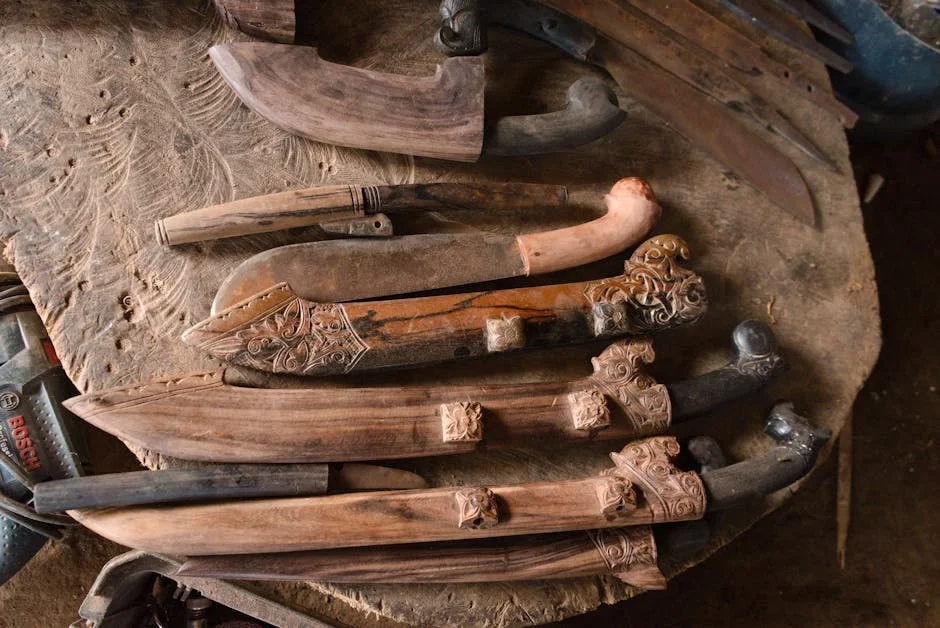
Edge geometry matters as much as steel type. A Scandinavian or flat grind gives you predictable, easy-to-sharpen geometry that works well for general camp tasks and wood processing. A hollow grind can feel razor-sharp out of the box but may struggle with harder cutting tasks over time. Whatever grind you choose, an edge that fades after a day’s work costs you more in field time than a slightly less aggressive edge that holds.
Fixed Blade vs. Folding Knife
Fixed blades have one structural advantage that folding knives cannot replicate: there is no pivot point to fail. A full tang fixed blade transfers force from handle to tip without any mechanical weak point. For survival tasks — batoning wood, heavy chopping, processing game — that matters. The trade-off is portability, and it is a real one. A 15-inch fixed blade is not a pocket knife, and if you are also carrying other gear, every inch and ounce counts.
Folding knives offer compact carry and legal accessibility in more jurisdictions. A folder with a sturdy locking mechanism can handle most camp tasks, and it disappears into a pocket without complaint. For everyday carry or urban emergency preparedness, a quality folder often makes more sense than a large fixed blade. The honest answer is that most people benefit from owning both, used in the right contexts.
Full Tang Construction
Full tang means the steel runs the full length of the handle, not just partway. It is the single most important construction detail in a survival knife. Partial tang handles — where the blade steel extends only a few inches into the grip — are prone to breaking at the junction under lateral stress, exactly the kind of stress you apply when batoning or prying. A knife that fails at the handle under pressure is more dangerous than a dull one.
When evaluating any fixed blade, look for handle scales that are riveted or bolted through the tang rather than glued or press-fitted. Glued handles can delaminate in temperature extremes or after prolonged wet exposure. Reviewing the full range of fixed blade and folding knife options before committing to a specific style is worth the time, especially if you are buying for a specific environment rather than general use.
Handle Material and Grip Security
Handle material determines grip in wet conditions. Rubber and textured polymer grips outperform wood and smooth synthetic materials when your hands are wet or cold. Wood handles look good and feel warm, but they can swell, crack, or become slippery after extended moisture exposure. If your use case involves water crossings, rain, or cold-weather work, grip security should rank at least as high as aesthetics.
Finger grooves and guard design also matter. A well-placed guard prevents your hand from riding up onto the blade during a hard thrust or heavy pull cut. An absent or minimal guard on a large blade is an injury waiting to happen under fatigued conditions.
Bundled Tools: Value or Distraction
Many survival knives include bundled tools: fire starters, ferro rods, sharpeners, glass breakers, seat belt cutters. Some of these are genuinely useful and would otherwise require separate purchases. Others are included to make a product listing look more complete without adding meaningful value to the knife itself.
Evaluate bundled tools as you would any individual tool: does this work reliably, is it durable enough to trust in an emergency, and would I choose this standalone item if it were sold separately? A ferro rod that crumbles after ten strikes or a sharpener that removes steel without properly reconditioning an edge is not a bonus — it is a distraction. Focus on the knife first. If the bundled tools are solid, consider them a genuine addition.
Top Picks
Mossy Oak Survival Knife, 15-inch Fixed Blade Hunting Bowie Knife
The Mossy Oak Survival Knife, 15-inch Fixed Blade Hunting Bowie Knife with Sharpener and Fire Starter is a large camp and hunting knife aimed at buyers who want substantial blade length without moving into premium price territory. The 15-inch overall length gives you a meaningful cutting surface for processing game, clearing brush, and camp tasks that benefit from reach and weight. Mossy Oak’s brand recognition in the hunting market adds a degree of confidence that the product is at least designed with field use in mind rather than display shelf aesthetics.
The bundled sharpener and fire starter round out the package in a practical way. Field maintenance matters — a knife that comes with a usable sharpener is one you are more likely to keep conditioned. The fire starter inclusion is a legitimate survival utility, not a novelty. The honest limitation here is that at a mid-range price point, the blade steel and handle materials are unlikely to match what a purpose-built survival knife from a dedicated cutlery brand would deliver. This is a capable general camp knife, not a fine bushcraft tool.
For buyers who want a large fixed blade for camping and hunting tasks and are not demanding competition-grade materials, the Mossy Oak holds its own. For precise wood carving, fine camp cooking prep, or heavy daily use on extended trips, look at knives where the blade steel specification is the headline rather than the accessory bundle.
Check current price on Amazon.
GOOD WORKER Legal Pocket Knife with 2.95” Serrated Blade
Urban and vehicle emergency preparedness is a different use case than backcountry survival, and the GOOD WORKER Legal Pocket Knife with 2.95” Serrated Blade, Glass Breaker, Seat Belt Cutter is built for exactly that context. The glass breaker and seat belt cutter are not novelty features here — they are the reason this knife exists. A blade under three inches keeps it legal in most jurisdictions where larger fixed blades or longer folders create carry complications.
The serrated blade handles fibrous cutting tasks — webbing, rope, synthetic materials — without requiring a sharp plain edge, which means it remains functional even if you are not diligent about regular sharpening. The trade-off is that serrated edges are harder to touch up in the field, and this knife’s broader multi-tool orientation means the blade itself is not the primary engineering focus.
This is a sensible everyday carry option for someone who spends more time in vehicles and urban environments than in the backcountry. It is not the knife to reach for on a week-long trail trip where wood processing and food prep are daily tasks. Know your use case, and this knife delivers reasonable value within it.
Check current price on Amazon.
Gerber Gear Ultimate Survival Knife
Gerber has been making outdoor and field knives long enough that the brand name carries real information, not just marketing. The Gerber Gear Ultimate Survival Knife, Fixed Blade Knife with Combo Edge, includes Fire Starter Edge and Ferro Rod reflects that heritage in its construction priorities: a fixed blade with a combo edge — part plain, part serrated — that handles both clean cutting tasks and fibrous materials without needing a separate tool.
The ferro rod inclusion is the bundled tool that earns its keep here. A quality ferro rod delivers reliable ignition across a wide range of conditions, and having it integrated with the sheath keeps it accessible when you need it. Gerber’s quality control at mid-range pricing is generally consistent, which means you are less likely to encounter the variance in fit and finish that shows up in less established brands.
I haven’t used this model personally, but Gerber’s fixed blade line has a solid track record in field reports and it is one of the few mid-range brands where the combo edge execution is usually clean rather than awkward. The fixed blade format reduces portability, and the ferro rod requires practice before you trust it in a cold wet emergency — that practice is worth putting in before you need it.
Check current price on Amazon.
FLISSA Survival Hunting Knife with Sheath
Full tang construction at this price band is not a given, and the FLISSA Survival Hunting Knife with Sheath, 15-inch Full Tang Fixed Blade Tactical Bowie Knife with Sharpener & Fire leads with the detail that matters most in a fixed blade survival knife. Full tang means the steel runs uninterrupted from tip to pommel, and on a 15-inch knife that takes real lateral stress during camp tasks, that is not a minor point.
The included sheath, sharpener, and fire starter give this knife the same bundled utility as the Mossy Oak, with the full tang construction as a meaningful differentiator for buyers who prioritize structural integrity. FLISSA is not an established name in the knife market, which introduces some uncertainty around long-term warranty support and consistency across production batches. That is a real limitation if you are buying for extended or repeated hard use.
For buyers who want full tang construction and 15-inch blade length at mid-range pricing and are comfortable accepting some brand uncertainty, this knife delivers on its primary structural claim. For buyers who need the confidence of a brand with a documented support history, the Gerber is the more defensible choice.
Check current price on Amazon.
Smith & Wesson Accessories Extreme Ops SWA24S
The Smith & Wesson Accessories Extreme Ops SWA24S 7.1in S.S. Folding Knife with 3.1in Serrated Clip Point Blade is the folder on this list with the most name recognition behind it. Smith & Wesson’s reputation is built primarily on firearms, but their knife line has earned consistent marks for durability and value — the S.S. (stainless steel) blade resists corrosion well, and the folding mechanism on the Extreme Ops line is generally reported as solid under field conditions.
The 3.1-inch serrated clip point handles cutting tasks competently in a package that fits a pocket without complaint. The serrated edge performs well on rope, webbing, and similar materials, and the clip point geometry gives reasonable piercing capability without being fragile. The same limitation applies here as with any serrated folder: sharpening the serrations requires a tapered rod or specialty sharpener, not the flat stone you might carry in your pack.
As the most portable option on this list, the Smith & Wesson makes sense as a dedicated carry knife that lives in a pocket or on a belt clip independent of whatever larger tool you pack for camp tasks. It complements a fixed blade rather than replacing one.
Check current price on Amazon.

Buying Guide
Matching Blade Length to Your Use Case
Blade length is not a prestige metric — it is a functional decision. A 15-inch bowie-style blade gives you reach and mass for chopping and processing, but it is genuinely awkward for food prep, fine carving, and close work. A 3-inch folder goes anywhere but cannot split kindling. Most survival and camp tasks fall between those extremes, and a blade in the 4, 6 inch range handles the widest variety of field work without specializing into a single role. Buy longer only when your primary tasks specifically benefit from it.
Fixed vs. Folding for Your Environment
The environment you work in should drive this decision more than preference. Cold and wet conditions amplify every weakness in a folding mechanism — debris, ice, and fatigue all make it harder to open and lock a folder reliably. Fixed blades eliminate that failure mode entirely. Dry, temperate conditions are more forgiving, and the portability advantage of a folder matters more there. For reference on how field conditions affect the right knife choice, consider what you are actually doing in the first hour after you make camp, not what looks good in a product photo.
Steel Type and Your Maintenance Habits
High-carbon steel sharpens easily on a simple flat stone and takes an edge that many experienced knife users prefer for camp tasks. It also rusts if you do not keep it dry and oiled. Stainless steel is more forgiving in wet environments but harder to resharpen without a proper tool. The honest question is not which steel is better — it is which steel matches your maintenance discipline. A high-carbon blade that you neglect will serve you worse than a stainless blade that you wipe down regularly.
Full Tang vs. Partial Tang
Partial tang knives fail at the junction between blade and handle under lateral stress. That stress is routine during batoning, prying, and any task where you lever rather than cut. Full tang construction is not a premium feature — it is a baseline requirement for a knife that will see real use. If a knife’s product description does not specify full tang, assume it is not. The FLISSA and the Mossy Oak both advertise fixed blade construction, but confirming tang configuration before purchase is worth the extra thirty seconds of research.
Evaluating Bundled Tools
Fire starters, ferro rods, sharpeners, glass breakers — bundled tools extend the apparent value of a knife package. Evaluate them individually. A ferro rod that ships with a mid-range survival knife should still produce reliable sparks across at least several hundred strikes. A sharpener should actually recondition an edge rather than just removing metal. Glass breakers and seat belt cutters are genuinely useful in vehicle emergencies and add real utility to an EDC folder. Approach bundled tools with the same skepticism you apply to the knife: does this specific implementation work, or is it a checkbox on a product listing?
Frequently Asked Questions
What does “survival knife fade” mean, and why does it matter?
Survival knife fade describes the degradation of a knife’s performance over time — edge retention dropping, handle integrity loosening, and finish corroding faster than expected. It matters because a knife that fades quickly under field conditions is unreliable exactly when reliability counts most. Evaluating knives for fade resistance means looking at steel specification, handle construction, and full tang integrity rather than initial sharpness out of the box.
Is the Gerber Gear Ultimate Survival Knife better than the Mossy Oak for backcountry use?
For most backcountry applications, the Gerber is the more defensible choice. Gerber’s quality control and brand track record reduce the risk of variance in materials and fit, and the integrated ferro rod is a practical field tool rather than a novelty. The Mossy Oak delivers similar blade length and a useful accessory bundle, but Gerber’s established reputation in outdoor knives gives it an edge in confidence for extended field use.
Should I carry a fixed blade or a folding knife for wilderness survival?
For dedicated wilderness survival use, a fixed blade is the more reliable option. There is no pivot mechanism to fail under debris or cold-weather stress, and full tang fixed blades handle batoning and heavy camp tasks that would stress a folding mechanism. A folder is a practical complement for everyday carry and lighter tasks, but it should not be your only cutting tool on a serious backcountry trip.
How important is full tang construction in a survival knife?
Full tang construction is the single most important structural feature in a fixed blade survival knife. Partial tang handles are prone to breaking at the blade-handle junction under lateral stress — exactly the load applied during batoning, prying, and heavy camp tasks. The FLISSA explicitly advertises full tang construction, which makes it structurally sounder under hard use than a partial tang knife at the same price.
Can the Smith & Wesson Extreme Ops folder replace a fixed blade for camp tasks?
For most dedicated camp tasks — processing wood, heavy food prep, batoning kindling — no. The 3.1-inch folding blade is practical for lighter cutting work and everyday carry situations, but it is not the right tool for tasks that require blade length, mass, or leverage. Carry it alongside a fixed blade for portability and emergency utility rather than as a replacement.
Where to Buy
Mossy Oak Survival Knife, 15-inch Fixed Blade Hunting Bowie Knife with Sharpener and Fire Starter, for Camping,See Mossy Oak Survival Knife, 15-inch Fix… on Amazon