Bark River Knife Review: Three Fixed-Blade Options Tested
Affiliate disclosure: Some links on this page are affiliate links. If you buy through them we earn a small commission at no extra cost to you. This never influences which products we recommend — we only suggest things we'd buy ourselves. Product prices and availability are accurate as of the date published and are subject to change. Always check Amazon for current pricing before purchasing. Learn more.
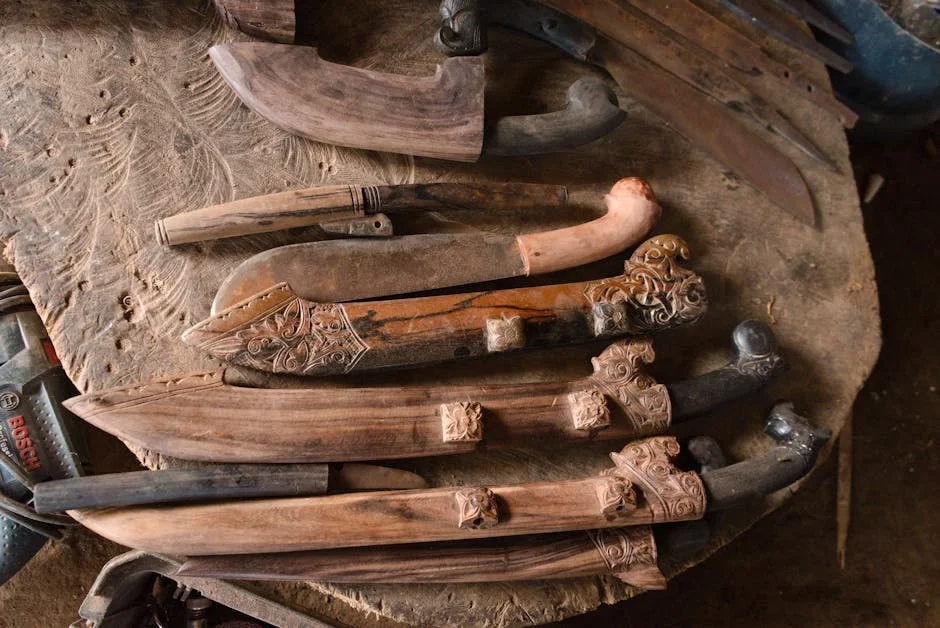
Reputable Spyderco brand known for quality outdoor knives
See Spyderco Bow River Fixed Blade Outdoo… on AmazonFinding a reliable fixed-blade bushcraft knife means sorting through a lot of marketing noise. Bark River knives have built a strong reputation in the bushcraft community, but they represent only one point on a wide spectrum of knives worth considering before you spend your money.
The three knives below cover different approaches to fixed-blade outdoor use — a proven brand name, a traditional heritage design, and a purpose-built bushcraft option that includes fire-starting gear. Each earns its place for different reasons.
What to Look For in a Bushcraft Fixed-Blade Knife
Steel Type: Carbon vs. Stainless
Steel choice shapes almost every other characteristic of a bushcraft knife. Carbon steel takes a sharper edge than most stainless alloys and is easier to resharpen in the field with a simple stone. It also throws sparks from a ferro rod reliably — a practical advantage when fire-starting is part of your kit. The tradeoff is rust. Carbon steel demands consistent care: wipe it dry after use, oil it regularly, and it will outlast you. Neglect it for a week in a damp pack and you will have work to do.
Stainless steel tolerates neglect better. It resists corrosion in wet conditions without the maintenance discipline carbon requires. The better stainless alloys — including high-chromium, vanadium-added steels — hold an edge well enough for most fieldwork. They are not as easy to sharpen freehand as carbon, but for buyers who prioritize convenience and durability over maximum field-sharpenability, stainless is a legitimate choice.
Neither steel type is categorically superior. The right answer depends on how disciplined you are about maintenance and how long your trips run.
Blade Geometry and Grind
Blade geometry determines how a knife performs across different cutting tasks. A Scandinavian grind — a single, flat bevel running from the spine to the edge — is the standard for bushcraft work. It bites well into wood, is easy to resharpen on a flat stone, and provides tactile feedback while carving. A convex grind is more durable at the edge and excels at splitting and heavy chopping tasks, but requires a strop and more skill to maintain.
Drop point blades balance control and utility. The spine curves down toward the tip, which keeps the point lower and more controllable than a clip point. For bushcraft work that involves carving, food prep, and light processing, a drop point or Scandi-ground blade suits most needs better than a tactical tanto geometry.
Handle Fit and Material
A handle that fits your hand in warm weather will feel different with gloves on. Test your grip assumptions honestly. Longer handles suit larger hands; shorter, contoured handles offer more control for precision work. Wood handles are traditional and warm to the touch, but they require their own maintenance — checking for cracks, keeping them oiled. Modern synthetics such as Micarta and G-10 are impervious to moisture and require nothing from you.
Texture matters more than people expect. A polished wood handle is beautiful but slippery under a soaking-wet grip. A rough, textured synthetic holds securely even when your hands are cold and wet. For serious fieldwork, grip security is not a cosmetic consideration.
Sheath Quality
The sheath is often where manufacturers cut corners. A poorly designed sheath that doesn’t retain the knife securely is a safety problem — not an inconvenience. Leather sheaths are traditional and workable but require conditioning to stay supple. Kydex sheaths are impervious to moisture and offer positive retention clicks that let you know the knife is secured. For extended trips where the knife is on your belt all day, a sheath that positions the handle for a clean, repeatable draw is worth evaluating carefully.
Before buying, check whether the sheath is included, what it’s made of, and how it attaches. Exploring the full range of fixed-blade knife options and comparing sheath designs before committing is worth the time.
Top Picks
Spyderco Bow River Fixed Blade Outdoor Hunting Knife
The Spyderco Bow River Fixed Blade Outdoor Hunting Knife earns its place here because Spyderco does not typically release poorly thought-out products. Their folding knives built the brand’s reputation, and that same quality discipline carries into this fixed blade. The 8Cr13MoV stainless steel blade resists corrosion well in wet field conditions — a practical advantage for anyone in temperate or coastal environments.
The blade geometry suits hunting and outdoor processing tasks cleanly. The fixed-blade platform eliminates the mechanical complexity of a folder — no pivot to grit up, no lock to fail under stress. For hard use over multiple seasons, a fixed blade from a reputable maker is simply more reliable.
I haven’t used this one personally. That said, Spyderco’s track record across their product line gives me confidence that the fit and finish are where they need to be. The stainless steel does require more maintenance than high-carbon steel to keep a razor edge, and a fixed blade is less convenient to carry daily than a folder. But if your priority is a corrosion-resistant outdoor knife from a maker you can trust, the Bow River is a reasonable answer.
Check current price on Amazon.
Old Timer Heritage Series 169OT
The Old Timer Heritage Series 169OT occupies a different space. At 10.25 inches overall, this is a substantial knife — closer to a camp knife than a carving tool. The stainless steel drop point blade is a practical choice for the working end of this design: corrosion resistance and ease of cleaning matter more on a knife this size, which is likely to see food prep and camp chores as much as processing game.
Heritage matters to some buyers and it matters legitimately. Old Timer has been producing traditional American knives long enough that the design language is genuinely earned, not manufactured nostalgia. The laminate wood handle is attractive and traditional, but it is honest wood — it will check and require oil if you leave it wet repeatedly.
The size is worth thinking about before buying. A 10.25-inch fixed blade is a camp knife you carry in camp, not a belt knife you carry all day on a trail. If you need something for sustained carry and precision fieldwork, this is larger than what you want. If you need a capable, traditional camp knife with a well-regarded brand behind it, the 169OT delivers that plainly.
Check current price on Amazon.
BPSKNIVES Adventurer Bushcraft Knife
Purpose-built is the phrase that matters here. The BPSKNIVES Adventurer Bushcraft Knife is designed from the blade geometry up for the specific demands of bushcraft fieldwork — carving, batoning, fire prep, camp tasks — rather than adapted from a hunting or military platform.
The carbon steel blade is the right choice for a bushcraft design. It sharpens easily in the field, takes a keen edge, and will throw sparks from a ferro rod when you need it to. The included firestarter is a practical touch — not a marketing add-on. Having a matched ferro rod with the knife that deploys it is a small but real convenience. The leather sheath rounds out the package.
Carbon steel requires maintenance. That is not a defect — it is a characteristic of the material, and for a bushcraft knife it is a trade worth making. A weekly wipe-down with an oiled cloth is not a burden if you are using the knife regularly. If you are looking for something you can throw in a bag and forget, this is not it. If you want a knife built specifically for woodland fieldwork, carbon steel edge retention, and a kit that arrives ready to use, the Adventurer is the strongest case in this group for that specific buyer.
Check current price on Amazon.
Buying Guide
Matching the Knife to Your Use Case
The first question is what you actually do in the field. A bushcraft knife designed for carving and camp tasks has different geometry requirements than a hunting knife built for processing game. A large camp knife is the wrong tool on a long day hike where weight and pack space matter. Define the use case first — carving, fire prep, food prep, processing — and let the blade geometry follow.
If your fieldwork runs toward fine carving and friction fire, a shorter, thinner blade with a Scandi grind is appropriate. If you need a multipurpose camp workhorse that will see heavy daily use, a slightly longer blade with more belly suits that demand better.
Carbon vs. Stainless for Your Conditions
Your environment and your maintenance habits should drive this decision more than marketing. If you are in a wet temperate environment and you are disciplined about keeping gear dry and oiled, carbon steel pays dividends in edge performance. If you are heading into salt-air coastal conditions or you know you will not maintain the blade consistently, stainless is the honest choice.
The best knife is the one you will actually use and maintain. A premium carbon steel blade that rusts in your pack because you forgot to dry it is worse than a moderate stainless blade that asks nothing of you.
Handle Size and Grip Security
Measure your hand. Sounds basic. Most buyers do not do it before buying a knife online. A handle that is too short for your hand shifts the grip position and fatigues your hand over a long carving session. A handle too long reduces precision. If the product listing includes overall length and blade length, you can subtract to get handle length — that number should tell you whether the fit will work.
For wet-weather or cold-weather use, prioritize grip texture. The full range of bushcraft knives spans everything from polished wood handles to aggressive checkered synthetics — and that difference matters practically, not just aesthetically.
Fixed Blade vs. Folder for Bushcraft
Fixed blades are structurally superior for hard use. No pivot, no lock, no moving parts. A properly designed fixed blade with a full tang transfers force without flex or play. For batoning, carving under pressure, and sustained camp use, the fixed blade platform is the right choice.
Folders trade structural integrity for portability. A good folder rides in a pocket without the need for a belt sheath. For a hiking knife that supplements a fixed blade rather than replacing it, a folder has a place. For primary bushcraft work, carry the fixed blade.
Sheath Evaluation Before You Buy
The sheath deserves as much evaluation as the knife. A fixed blade is always either in your hand or in its sheath — there is no third option. A sheath that doesn’t retain positively is a liability. Read reviews specifically for sheath fit and retention before purchasing. Leather sheaths need conditioning; Kydex needs nothing but a rinse. Both work. Neither works if the fit is sloppy.
If the sheath is inadequate, budget for a replacement sheath from a custom maker before the knife arrives. That is a common upgrade on mid-range production knives and worth factoring into your overall evaluation.
Frequently Asked Questions
How does the BPSKNIVES Adventurer compare to the Spyderco Bow River for bushcraft use?
The Adventurer is purpose-built for bushcraft — carbon steel blade, Scandi-influenced geometry, included ferro rod. The Spyderco Bow River is a hunting-oriented outdoor knife with a stainless steel blade designed for corrosion resistance and general field use. For dedicated bushcraft tasks like carving and fire prep, the Adventurer’s carbon steel is the practical advantage. For a buyer who wants lower maintenance and a trusted brand name, the Bow River is the stronger answer.
Is carbon steel or stainless steel better for a bushcraft knife?
Carbon steel takes a sharper edge, sharpens more easily in the field, and works with a ferro rod for fire starting. Stainless steel resists corrosion and requires less daily maintenance. For dedicated bushcraft fieldwork where edge performance and fire prep matter, carbon steel is generally preferred. For wet environments or buyers who know they won’t maintain a blade consistently, stainless is the more practical choice.
What does the Old Timer Heritage Series 169OT work best for?
The 169OT is a full-size camp knife — 10.25 inches overall — best suited for camp chores, food prep, and general processing tasks. It is not designed for extended belt carry on the trail. The stainless drop point blade handles a wide variety of camp tasks cleanly. Buyers who want a traditional American design with a heritage brand behind it and do not need a lightweight carry knife will find it delivers well.
Do I need a knife with an included firestarter for bushcraft?
Not necessarily, but the combination is practical. The BPSKNIVES Adventurer packages a carbon steel knife with a matched ferro rod, which makes sense because carbon steel blades work with ferro rods directly. If you already carry a separate fire-starting kit, the bundled firestarter is a redundancy rather than a necessity. For a buyer building a first bushcraft kit, having a matched knife and ferro rod in one package simplifies the setup.
What size fixed-blade knife is best for general bushcraft use?
Most bushcraft tasks — carving, food prep, camp chores, light processing — are handled well by a blade in the 3.5- to 5-inch range. A shorter blade offers more control for precision carving; a longer blade provides more utility for processing and heavy camp work. A 4- to 4.5-inch blade covers the widest range of tasks without the bulk of a larger camp knife. The Old Timer 169OT at full camp-knife size is the outlier in this group — the other two knives are sized more conventionally for fieldwork.

Spyderco Bow River Fixed Blade Outdoor Hunting Knife with 4.40" 8Cr13MoV Stainless Steel Blade and Handcrafted Leather: Pros & Cons
- Reputable Spyderco brand known for quality outdoor knives
- 8Cr13MoV stainless steel blade resists corrosion and rust
- Fixed blade is less versatile than folding knife designs
Where to Buy
Spyderco Bow River Fixed Blade Outdoor Hunting Knife with 4.40" 8Cr13MoV Stainless Steel Blade and Handcrafted LeatherSee Spyderco Bow River Fixed Blade Outdoo… on Amazon