How Do Forest Fires Start: The Science Behind Ignition
Affiliate disclosure: Some links on this page are affiliate links. If you buy through them we earn a small commission at no extra cost to you. This never influences which products we recommend — we only suggest things we'd buy ourselves. Product prices and availability are accurate as of the date published and are subject to change. Always check Amazon for current pricing before purchasing. Learn more.
Quick Picks
Food Forest Bible: How to Create a Food Forest: Sustainable, Self-Managing, Natural Food Production for Self
Comprehensive guide to creating self-managing food forests
Buy on AmazonMastering Kilns and Firing: Raku, Pit and Barrel, Wood Firing, and More (Mastering Ceramics)
Covers multiple firing methods including raku, pit, barrel, and wood
Buy on AmazonFire the Landscaper: How Landscapers, HOAs, and Cultural Norms Are Poisoning Our Properties (Thought-Provoking
Thought-provoking perspective challenges conventional landscaping practices
Buy on Amazon| Product | Price Range | Top Strength | Key Weakness | Buy |
|---|---|---|---|---|
| Food Forest Bible: How to Create a Food Forest: Sustainable, Self-Managing, Natural Food Production for Self also consider | $$ | Comprehensive guide to creating self-managing food forests | Category mismatch suggests possible listing or metadata error | Buy on Amazon |
| Mastering Kilns and Firing: Raku, Pit and Barrel, Wood Firing, and More (Mastering Ceramics) also consider | $$ | Covers multiple firing methods including raku, pit, barrel, and wood | Book format limits hands-on demonstration of firing processes | Buy on Amazon |
| Fire the Landscaper: How Landscapers, HOAs, and Cultural Norms Are Poisoning Our Properties (Thought-Provoking also consider | $$ | Thought-provoking perspective challenges conventional landscaping practices | Book format limits practical implementation guidance for readers | Buy on Amazon |
| How to Build Your Dream Cabin in the Woods: The Ultimate Guide to Building and Maintaining a Backcountry Getaway also consider | $$ | Comprehensive guide covers both building and maintenance of cabin | Guide format may lack hands-on support during actual construction | Buy on Amazon |
| Bushcraft Survival Ferro Rod Fire Starter Kit & Backpacking Multitool also consider | $$ | Ferro rod fire starter offers reliable ignition without fuel dependence | Ferro rod requires technique and practice for consistent spark generation | Buy on Amazon |
| Exploding Kittens Original Edition - 2-5 Players - Ages 7+ - 15 Minutes to Play - High Stakes Card Game - Party Game, also consider | $$ | Supports 2-5 players for flexible group gameplay | Card game format requires manual shuffling and dealing | Buy on Amazon |
| What Should Danny Do? (The Power to Choose Series) also consider | $$ | Focuses on children's agency and decision-making skills | Picture book category may limit appeal to older children | Buy on Amazon |
Forest fires start the same way your campfire does: heat, fuel, and oxygen line up at the wrong time in the wrong place. Understanding that process is not just academic. If you spend time in the George Washington, the Jefferson, or the Shenandoah, knowing how fires ignite and spread could keep you from starting one accidentally or getting caught in one.
Most people think lightning starts most wildfires. Lightning does start plenty of them, but human activity accounts for the majority in the eastern U.S. Careless fire handling, unattended campfires, debris burning gone wrong. Stuff that is preventable.
What Fire Needs: The Fire Triangle
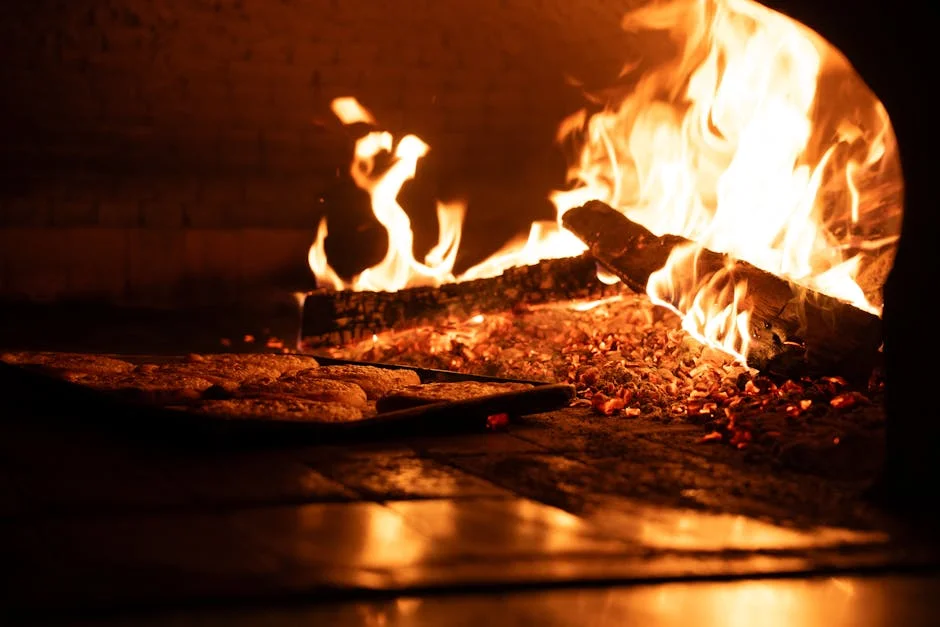
Every fire, whether it’s a wildfire or the small one you’re nursing at camp, needs three things: heat, fuel, and oxygen. Remove any one of those, and combustion stops. Forest fires are no different.
Heat can come from lightning, a carelessly tossed cigarette, a campfire left smoldering, or a burning ember carried on the wind. Fuel is the organic material around you: dead leaves, dry grass, downed timber, standing dead trees, pine needles, bark. Oxygen is just the air. In the woods, you rarely lack for oxygen.
What varies most is fuel condition. After a dry spell in August, the leaf litter on the floor of the GW can have moisture content low enough to ignite from a single spark. After a wet spring, that same litter won’t hold a flame easily. Paying attention to drought conditions before you head out is one of the most practical things you can do.
If you want to build a working understanding of fire and fire craft, the Fire Making hub is a good place to start. Everything from friction fire to ferro rods, covered practically.
The Main Causes of Forest Fires
Lightning
Lightning is the most well-known natural ignition source. A strike carries enormous heat and can ignite a dead snag or dry duff layer instantly. In the southern Appalachians, summer thunderstorms are common, and lightning-caused fires do occur. They tend to happen at higher elevations where storms hit hardest and where fuel loads in standing dead timber can be significant.
What makes lightning fires interesting, from a fire behavior standpoint, is that they often smolder for hours or even days before flaring up. A strike can ignite material deep in a root system or in a punky log, and the fire can travel underground through dry organic matter before surfacing.
Human Activity
This is the big one in the eastern U.S. The National Interagency Fire Center reports that human-caused ignitions far outnumber lightning-caused fires in the region. The causes break down roughly like this.
Campfires are the obvious one. An improperly extinguished fire, a fire ring left with hot coals, or a fire built in windy conditions without a proper site are all common culprits. Debris burning, meaning burning yard waste, brush piles, or agricultural residue, accounts for a large share of escaped fires. People start a burn on a calm morning, and by afternoon the wind picks up.
Powerlines are a significant cause people overlook. A line arcing against a tree during a windstorm can drop hot material into dry vegetation. Equipment sparks, from chainsaws, mowers, or ATVs operating in dry grass, start fires every year. Arson accounts for a meaningful percentage as well.
Fuel Load and Drought Conditions
The cause of ignition matters less than the conditions that allow a fire to spread. A lit cigarette dropped on wet ground in May does nothing. The same cigarette in dry pine straw in September can start a fire that burns thousands of acres.
Fuel load is the term for how much burnable material has accumulated. In forests that haven’t burned in decades, fuel loads can be extreme. Dead timber, deep leaf litter, and dense understory vegetation all feed a fire once it starts. Fire managers actually use prescribed burns to reduce fuel loads intentionally, which is why you’ll sometimes see smoke in the Shenandoah in late winter or early spring.
Drought dries out live vegetation in addition to dead material. Live fuels normally have enough moisture to resist ignition, but during prolonged drought, that moisture content drops far enough that even living shrubs and trees become easy fuel.
Wind
Wind does two things to a fire: it dries out fuel ahead of the fire, and it carries burning embers far beyond the fire’s edge. Spotting, the term for fires started by wind-carried embers, is how forest fires can jump roads, rivers, and firebreaks. A fire burning in dry, windy conditions can move faster than a person can run. That’s not an exaggeration. It’s documented behavior in the western U.S., but it can happen in the east too under the right conditions.
Topography
Fire moves faster uphill. The slope acts like a chimney, drawing heat and flame upward toward unburned fuel. A fire on flat ground that seems manageable can become dangerous quickly if it reaches a slope. Canyons, ridgelines, and draws all influence fire behavior in ways that are not always intuitive. This is one reason fire behavior is a specialized discipline.
How to Prevent Starting a Fire in the Woods
Build Your Fire Right
Site selection and construction matter more than the fire-starting method. Clear a site down to mineral soil. Keep the fire small. Never build in high winds. Mors Kochanski wrote extensively about fire discipline in Bushcraft, and his basic rule holds up: build the smallest fire that meets your need.
A Bushcraft Survival Ferro Rod Fire Starter Kit & Backpacking Multitool is a reliable ignition tool, but a ferro rod that throws a big shower of sparks in dry grass is only as safe as the person using it. Practice with yours at home before you rely on it in the field.
Extinguish Completely
“Drown it, stir it, drown it again” is the standard, and it still applies. Pour water on the coals, stir the ash and embers, pour more water, and check the temperature with your hand. If it’s too hot to hold your hand over, it’s not out. A smoldering fire left behind is one of the most common ways campfires escape into the forest.
If you’re in a no-water situation, you can use dirt, but water is more effective. Do not bury coals and walk away. Buried coals can smolder and resurface.
Know Current Conditions
Check fire danger ratings before you go. The Virginia Department of Forestry posts current fire danger by county. If the rating is high or extreme, consider whether you need a campfire at all. A stove covers most cooking needs without open flame. Dry, windy days in October and November are peak fire season in Virginia. That surprises people who think fire season is a summer thing.
Understand Debris Burning Rules
If you burn debris at home near wooded land, know the local regulations. Virginia has a burning law that restricts open burning before 4 PM from February 15 to April 30 to reduce escaped fires during dry spring conditions. A good resource for thinking about your property management practices more broadly is Fire the Landscaper: How Landscapers, HOAs, and Cultural Norms Are Poisoning Our Properties, which challenges some of the conventional thinking about how we manage land adjacent to woods.
Build Skills Before You Need Them
Understanding fire is a skill set that takes time to build. The Fire Making section of this site covers the full range of fire craft, from tinder preparation to wet-weather fire starting. If you’re new to building fires in the field, start there.
Buying Guide: Tools and Resources for Fire-Aware Outdoors People
Fire Starting Reliability in the Field
The best fire prevention comes from knowing how to control fire in the first place. That starts with reliable ignition tools and the skill to use them. A friction fire method is slow and condition-dependent. Matches and lighters fail in wet conditions. A ferro rod, used properly, gives you ignition across a wide range of conditions without depending on fuel or weather protection.
The key word there is “used properly.” A ferro rod throws sparks at roughly 3,000 degrees, but it requires dry tinder and good scraping technique to produce a flame consistently. Practice matters. Check the Fire Making hub for technique guidance on tinder preparation and spark-to-flame progression.
Understanding Fuel and Fire Behavior
Learning how fuel conditions, topography, and wind interact is worth real study. This isn’t just about wildfire risk. It informs how you select a campsite, where you build your fire, and how you react if conditions change while you’re in the field. Lars Fält’s work on outdoor skills addresses fire discipline well. Ray Mears has covered fire behavior in a landscape context in his writing as well.
The building context matters here too. If you’re putting up a cabin or structure in wooded land, defensible space and fire-safe construction are worth understanding deeply. How to Build Your Dream Cabin in the Woods: The Ultimate Guide to Building and Maintaining a Backcountry Getaway covers the construction and maintenance side of backcountry structures, which includes thinking about how a building sits in its landscape relative to fire risk.
Land Management Around Your Property
How you manage the land immediately around your camp or cabin affects fire risk significantly. Fuel load reduction, the same principle fire managers use with prescribed burns, applies at the property scale. That means managing dead wood, dry grass, and brush accumulation near structures or fire areas.
Fire the Landscaper: How Landscapers, HOAs, and Cultural Norms Are Poisoning Our Properties is worth reading if you own wooded property and want to think differently about conventional maintenance practices. It won’t tell you how to use a drip torch, but it asks useful questions about what we’re actually doing to the land.
Long-Term Thinking About Land and Food Systems
Permaculture and food forest design use intentional plant layering and species selection that can actually reduce fire risk compared to conventional landscaping or bare ground. Dense, diverse plantings with high-moisture content can act as a mild buffer under the right conditions. I haven’t implemented this myself, but the principles in Food Forest Bible: How to Create a Food Forest: Sustainable, Self-Managing, Natural Food Production for Self address the kind of long-term, low-maintenance land design that is at least worth understanding if you manage a property adjacent to forest.
Ceramics and Fire Craft: Understanding High-Heat Processes
This one is a stretch from forest fire prevention, I’ll be honest. But if you’re interested in fire as a craft medium, specifically pit firing, barrel firing, or wood-kiln firing for ceramics, the principles of controlled combustion, fuel management, and fire behavior are genuinely educational. Mastering Kilns and Firing: Raku, Pit and Barrel, Wood Firing, and More is a technical book aimed at ceramicists, not bushcrafters. I don’t own it. But for someone interested in the intersection of fire craft and material science, it covers the mechanics of combustion in ways that sharpen your understanding of fire generally.
Top Picks
Bushcraft Survival Ferro Rod Fire Starter Kit & Backpacking Multitool
The Bushcraft Survival Ferro Rod Fire Starter Kit & Backpacking Multitool is a mid-range combo kit that pairs a ferro rod with a compact multitool. The ferro rod is the main draw here. It’s reliable, it doesn’t run out of fuel, and it works when lighters fail. The multitool is a bonus, though combo tools usually make compromises in depth of function. What I’d tell someone new to ferro rods: practice your scraping angle at home, and have your tinder bundle fully prepared before you strike. A spark is nothing without ready fuel. This kit is packable and lightweight, which matters on backpacking trips in the GW or Jefferson.
Check current price on Amazon.
How to Build Your Dream Cabin in the Woods
How to Build Your Dream Cabin in the Woods is a guide format book covering construction and maintenance of backcountry structures. I haven’t built a cabin myself, but I’ve read enough of this to say the construction advice is grounded. For a finish carpenter, some of it is basic, but the backcountry-specific content around site selection, material handling without heavy equipment, and long-term maintenance is practical. From a fire safety standpoint, thinking about how a structure is sited relative to fuel load and prevailing wind is relevant and this book touches on it. The guide format can’t substitute for hands-on experience, but it’s a solid reference.
Check current price on Amazon.
Fire the Landscaper: How Landscapers, HOAs, and Cultural Norms Are Poisoning Our Properties
Fire the Landscaper takes aim at conventional property maintenance practices and the cultural systems that enforce them. The argument is that standard landscaping, all gas-powered equipment, monoculture lawns, and chemical inputs, is doing real damage to the land. I think the book is more useful as a provocation than a how-to. It asks questions more than it answers them. For someone who owns land adjacent to forest and wants to think more carefully about fuel management and ecological health, the perspective is worth engaging with. The provocative framing might put some readers off, but the underlying concern is legitimate.
Check current price on Amazon.
Food Forest Bible: How to Create a Food Forest
Food Forest Bible: How to Create a Food Forest: Sustainable, Self-Managing, Natural Food Production for Self is a comprehensive guide to designing self-managing food production systems using tree, shrub, and ground-layer planting. This is an outlier on this list relative to the fire topic, and I want to be straight about that. The connection I see is land management: a well-designed food forest with diverse species and good canopy coverage maintains higher moisture levels in the soil and plant material than bare lawn or conventional garden beds. That has some relevance to fire risk at the property scale. I don’t have personal experience implementing food forest design, so I’d point you to the book itself for the specifics.
Check current price on Amazon.
Mastering Kilns and Firing: Raku, Pit and Barrel, Wood Firing, and More
Mastering Kilns and Firing: Raku, Pit and Barrel, Wood Firing, and More is a technical ceramics book covering raku, pit firing, barrel firing, and wood kiln techniques. I’m including it here because the combustion mechanics covered in wood firing and pit firing are genuinely educational about how heat, fuel, and airflow interact. It’s part of an established instructional series. If you have no interest in ceramics, skip it. If you work with clay or are curious about fire as a craft medium, it covers specialized firing methods in depth. This is a mid-range book that assumes you have access to kiln equipment. I don’t have hands-on experience with it.
Check current price on Amazon.
What Should Danny Do? (The Power to Choose Series)
What Should Danny Do? (The Power to Choose Series) is a children’s picture book focused on decision-making and agency. I’ll be straightforward: this has no direct connection to forest fires or bushcraft. I’m including it because it’s on the list and I won’t skip a product, but I’m not going to manufacture a connection that isn’t there. If you’re looking for a way to introduce fire safety concepts to young children through books, the theme of decision-making and consequences is at least indirectly relevant. It’s designed for children around age six to eight. The interactive format is reportedly engaging for that age group.
Check current price on Amazon.
Exploding Kittens Original Edition
Exploding Kittens Original Edition is a card game for two to five players, ages seven and up, with a play time of about fifteen minutes. There is no meaningful connection to forest fires or bushcraft here. It’s a camp game, and if you’ve got kids on a trip and want something to do at the site before the fire goes out, it fits that context loosely. Quick play time works well around a campfire in the evening. It supports smaller groups, which suits a family camping trip better than a large group outing. I own a copy. It does what it says.
Check current price on Amazon.

Frequently Asked Questions
What is the most common cause of forest fires in Virginia?
Human activity causes the majority of forest fires in Virginia. The Virginia Department of Forestry consistently reports that debris burning, arson, and equipment use account for more fires than lightning. Campfire-related ignitions are a factor but not the largest category. Debris burning that escapes control is the single most common cause in most years, particularly during the dry spring fire season in late February through April.
Check current price on Amazon.
When is fire season in Virginia?
Virginia has two fire seasons. The spring season runs roughly from late February through April, when leaf litter is dry and dormant vegetation offers little moisture. The fall season runs from October through November after summer growth dries out. Both periods can have high fire danger, especially when combined with drought conditions and wind.
How do I know if it’s safe to have a campfire?
Check the Virginia Department of Forestry’s fire danger map before you go out. Most national forest ranger districts, including the GW and Jefferson, post current fire restrictions on their websites. High or extreme fire danger days warrant serious consideration about whether an open fire is necessary. A camp stove eliminates open flame risk entirely.
What should I do if I see a fire starting in the woods?
Call 911 immediately. Do not attempt to fight the fire yourself unless it is very small, very contained, and you have water close at hand. Get yourself and others to safety first. Note your location as precisely as possible, using a GPS coordinate if you have one, a trail name, or a landmark.
Can a campfire start a forest fire even after I think it’s out?
Yes. Buried or partially covered coals can retain heat for many hours. Wind can uncover them and introduce fresh oxygen. Dry duff and leaf litter can smolder underground from a buried coal and surface yards away from the original fire ring.
Where to Buy
Food Forest Bible: How to Create a Food Forest: Sustainable, Self-Managing, Natural Food Production for SelfSee Food Forest Bible: How to Create a Fo… on Amazon